Habeas
Initiative
By The Numbers
Our Impact
Building Advocates
Legal Reach
Figures reflect the Habeas Initiative's own casework and are updated periodically. They do not represent national ICE detention statistics.
ICE detention reached a record high of over 73,000 people in January 2026. Even as that number has fluctuated, roughly three quarters of those detained have no criminal conviction. Detainees are people of all ages from child to elderly. Detentions range from months to over a year and there are numerous accounts of abuse, sometimes resulting in death. Most have no lawyer. Federal courts, including in Georgia, have been ordering their release. The government has not always complied.
The legal arguments and precedent exist, yet many detainees endure prolonged detention because of a lack of legal representation equipped to handle their case. Because non-citizens detained by ICE are considered to be in civil detention, they do not have a guaranteed right to an attorney. Many people who would be able to be released from detention simply wait, because of a lack of information, a lack of funds, or gaps in understanding by their attorneys in a quickly changing legal environment.
Habeas Initiative News and Updates
September 25, 2026
Immigration Primer with Professor Weitnauer. Fifteen students joined a Friday-afternoon session led by our newest immigration law professor, covering the immigration law fundamentals that underlie habeas and bond practice.
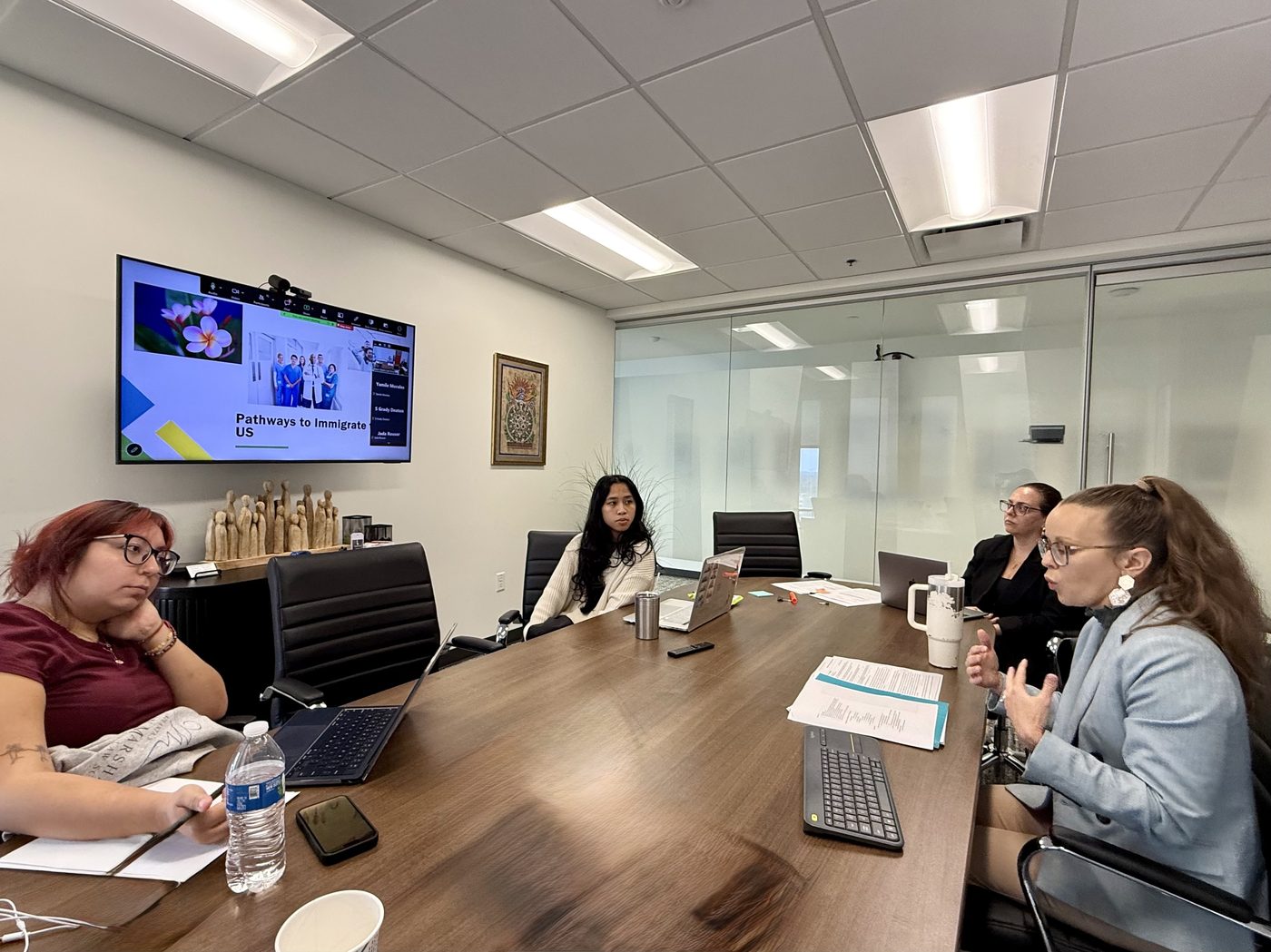
Students at the Immigration Primer.
September 14, 2026
Growing Our Attorney Network. The Initiative welcomed a third supervising attorney partner, Karen Weinstock, whose first case assignment with our students was a Motion to Enforce a Writ of Habeas Corpus in the Northern District of Georgia.
September 10, 2026
Civil Rights, I.C.E. & The Great Writ drew a full room at Atlanta's John Marshall Law School, featuring civil rights litigators Katie Blankenship (Sanctuary of the South) and Brian Orozco (Kulis Law Firm). Before the panel, students and panelists gathered for an informal lunch meet & greet. It closed with an unplanned, emotional speech from a client's family member, who told the room how her father's release had saved not only his life, but the life and spirit of their whole, huge family, and said the experience had inspired her to become a lawyer "like you guys," gesturing to the civil rights attorneys in the room.
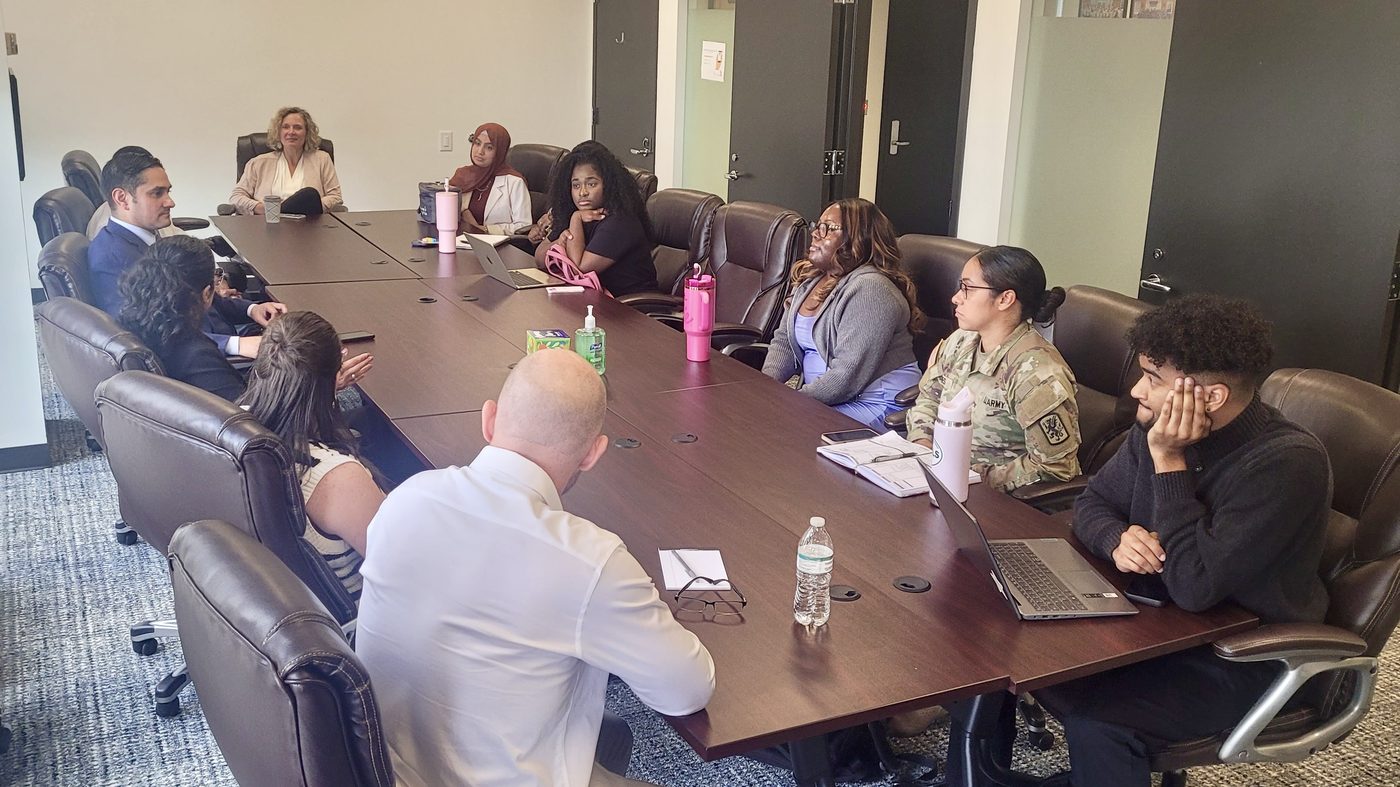
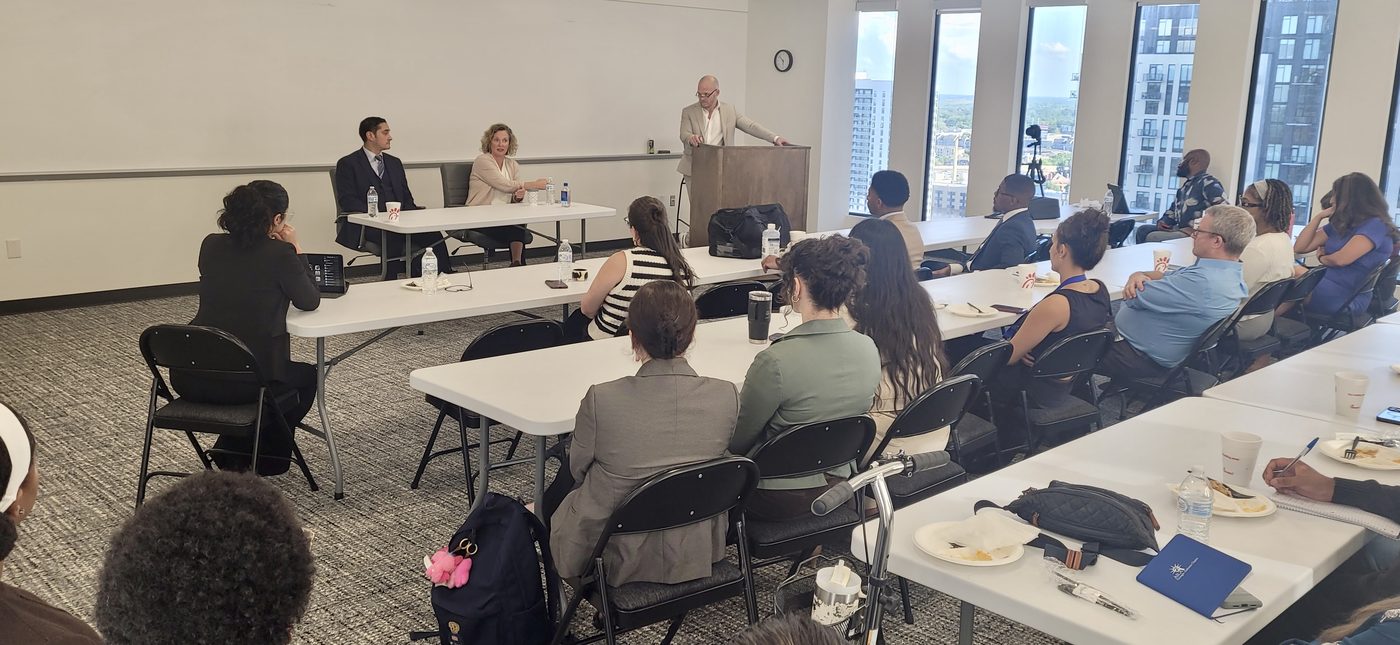
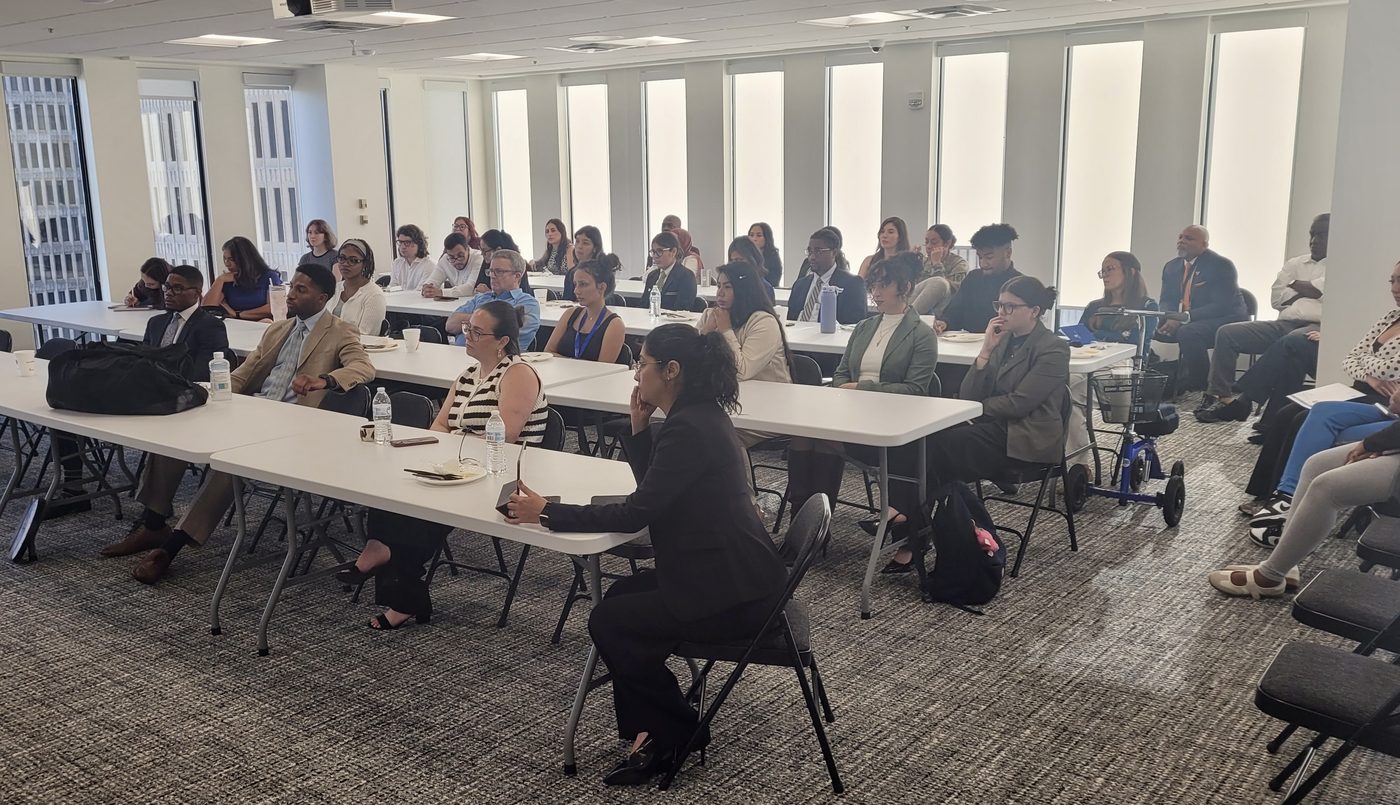
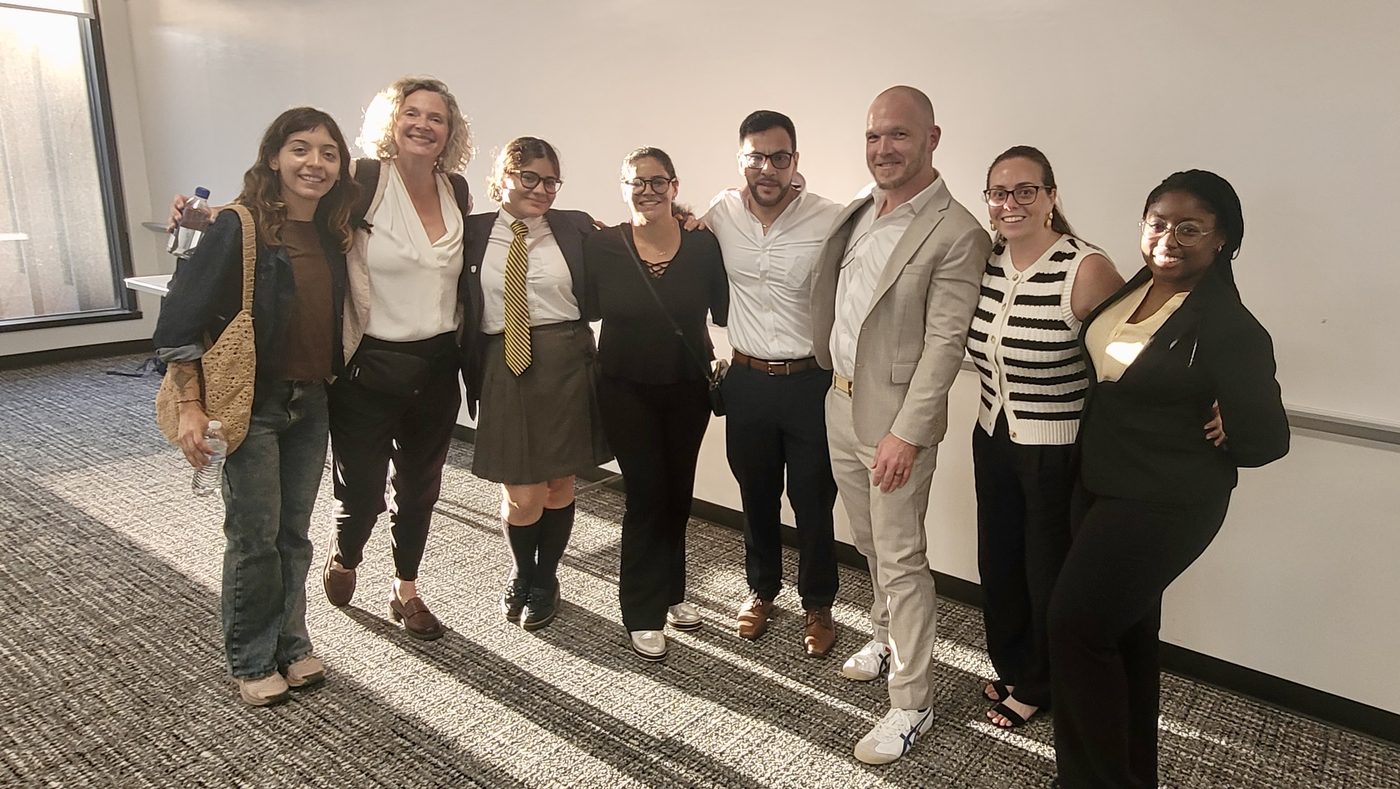
Clockwise from top left: the pre-panel lunch meet & greet, the panel discussion, the full room, and the client and his family with the attorneys and students who worked on his case.
August 14, 2026
August 14th was a good day, two clients went home.
Big Win. Habeas Initiative students, working alongside Sanctuary of the South and the Tennessee Immigrant & Refugee Rights Coalition (TIRRC), helped secure the release of a nursing mother and asylum seeker detained by ICE in Nashville, then transferred to Louisiana. She'd been separated from her infant and a disabled toddler for nearly three months, one of the hardest cases our students have supported. The Initiative helped build a "kitchen sink" strategy for a difficult posture in the Fifth Circuit: a federal civil rights complaint, a TRO, and a Motion to Expedite, stacked on the habeas petition to pressure a government resistant to doing the right thing. Without it, release could have been six to eight weeks out. Instead, ICE released her without explanation and put her on a bus back to Tennessee; the federal case was voluntarily dismissed. Detained May 19, her case reached us July 13 after the transfer, and she was home with her children by August 14. Offered significant financial support afterward, the family chose privacy instead, declining anything beyond what their legal representation required.
Read the story at NBC News →JR. JR, an asylum seeker from Venezuela and a father to school-age kids, had done everything right since arriving in the U.S., he even showed up in person for his immigration hearing. ICE detained him as he left the courthouse. Without counsel, he filed a pro se habeas petition that lacked the right legal grounds. When the case reached us through a nonprofit partner and Kilpatrick Townsend, we found his ICE paperwork riddled with errors, including a mistaken country of origin left over from an old warrant. After researching the presiding judge's practices in the Central District of California, we filed a Reply supplying the grounds his petition was missing. Three weeks later, JR went home, after fourteen months in detention.
July 9, 2026
It Takes a Village. A Law.com feature captured a case that began with a daughter who refused to give up: after her father was detained while working early on Father's Day morning, she advocated relentlessly and connected with a law professor, who brought the case to the Habeas Initiative. Sanctuary of the South took it on, and just over a week later, the family was reunited.
May 21, 2026
Our First Case. Our very first client, "Noah" (alias), was a 25-year-old roofer and taxpayer in Maryland, father to a U.S.-citizen in the medical profession and a high-school-age stepson. Though he had a pending defense to his removal proceedings, ICE detained him one morning on his way to work and sent him to a detention facility in Folkston, Georgia. He spent three months detained before finding habeas counsel through a nonprofit. Working alongside a pro bono associate at Kilpatrick Townsend & Stockton, our students helped prepare the bond materials that won Noah a hearing, the same hearing where our first student volunteer, Kamryn Bunn, had her first day with the Initiative. Noah was granted bond, and with our help coordinating family resources in Maryland, he was home two days later, after five months in ICE detention.
March 17, 2026
How It Started. The Habeas Initiative formally began on March 17, 2026, when, after a training on habeas petitions for detained immigrants and a meeting at the law school facilitated by Professor Jon Rapping, attorney Christina Thomas of Kilpatrick Townsend & Stockton sent us our first case.
Guiding Light: People-Centered Lawyering
The Habeas Initiative is a project incubated and guided by our mentors at the Criminal and Civil Justice Institute, where we are continually reminded of our guiding light: people-centered lawyering.
We plan on practicing at the intersection of immigration law and civil rights. We've learned a lot from organizations like Gideon's Promise and the work of Professor Jon Rapping and other public defenders, that even when the law or the political winds aren't on your side, as with clients who spend months or years in detention only to be deported back to a place they'd long left behind, there is still real value in advocating for them.
One client, eventually deported to a third country after 2.5 years in criminal jail on a charge that was later dropped, followed by 8 months in ICE detention, cried with gratitude when told an attorney would represent him, even after being told his relief was unlikely. He had almost no support in the United States. What felt like nothing, an agreement to try our best, was everything to him in that moment.
What We Do
We work with immigration attorneys and legal advocacy organizations who offer pro-bono and low-bono services to detained non-citizens.
Habeas petitions generally rely on showing that the government violated its own immigration law or policy, that the detention violates the Constitution or other governing law, or both. The remedies we seek are release or a bond hearing, liberty when possible, and at minimum, due process.
Students sometimes help with client interviews, and several of our members speak Spanish and other languages, a real asset in this work. Evidence gathering matters most in bond motions, where clients carry a heavier burden than in habeas petitions, though we're usually working from a case file the supervising attorney has already built. As the Initiative grows, we hope to take on more of the investigative side of case preparation; for now, students operate as law clerks rather than client representatives, supporting investigation and interviews rather than leading them.
We meet often with our supervising attorneys and their teams, mostly absorbing strategy and guidance, but every so often, student research surfaces something the attorneys hadn't found. We think that creativity, paired with our ability to turn around a quality draft quickly, is one of our most valuable contributions: it can mean a client goes home days or weeks sooner than an under-resourced firm could manage alone.
Our Priorities
- 1Obtain release for unlawfully detained clients as quickly as possible.
- 2Build the capacity of supervising attorneys willing to take on pro bono cases.
- 3Sharpen our own skills as law clerks, and grow long-term capacity for this immigration/civil rights work.
Legal Work
- Case research and drafting support on new and existing active habeas petitions
- Update habeas templates and argument strategy as law and policy evolve
- Build a shared case law and statutory library organized by circuit, district, and legal grounds
- Prepare bond motions and bond strategy
- Client background research, family support coordination, and release logistics
Outreach Work
- Know-your-rights materials and support for the Georgia immigrant community in various languages
- Attorney outreach: build a network of Georgia immigration and federal practitioners capable not only of habeas petitions, but also underlying immigration cases and the civil rights claims that may arise from arrests, detention, and the harms therefrom
The Habeas Initiative operates out of the Civil and Criminal Justice Institute at Atlanta's John Marshall Law School.
Learn more about the Criminal and Civil Justice Institute or our supportive partnerships at Sanctuary of the South.
Note: This initiative is led by law students. Nothing here constitutes legal advice.
Get In Touch